
Content is loading...

Hide this page Language and accessibility

Understanding greater trochanteric pain syndrome

Pain on the outside bony part of your thigh could indicate a soft tissue problem and is known as greater trochanteric pain syndrome (GTPS).

GTPS describes pain at the side of the hip, often felt on side-lying or when climbing stairs, which originates in the soft-tissues of the hip including muscles, tendons and bursa. A bursa is a small fluid-filled sac that allows tendons to glide over bone.

In the majority of cases, pain is usually a consequence of overloading the gluteus medius and/or gluteus minimus muscles and/or compression of their tendons in certain postures. It can occasionally be accompanied by an inflamed bursa (a bursitis). Tendons can be overloaded either with a significant change in physical activity (type or volume) or most commonly with a loss of strength in these muscles. 

How is GTPS managed?

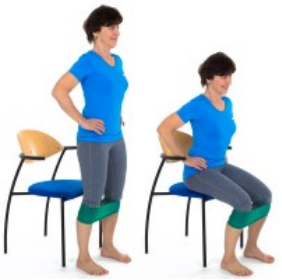
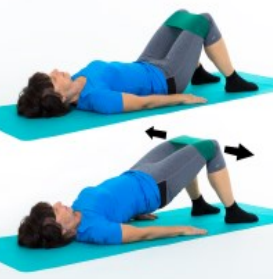
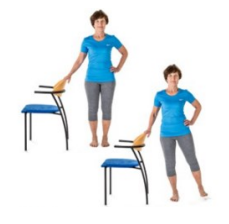
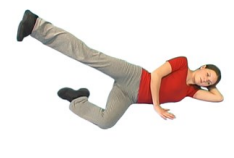
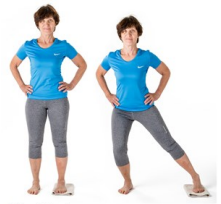
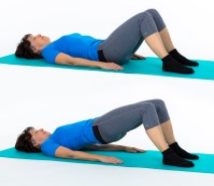
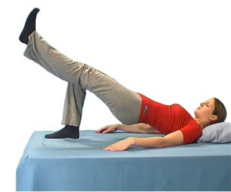
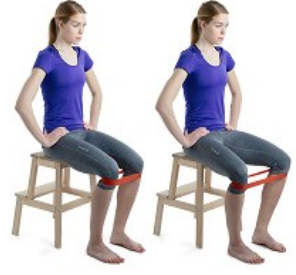
Exercises that target the strengthening of these muscles, together with avoiding stretches and provocative postures (in standing, lying or sitting) that place the tendons under compression have proven effective in improving symptoms within 8 to 10 weeks.

Postural advice

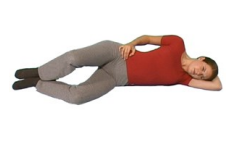
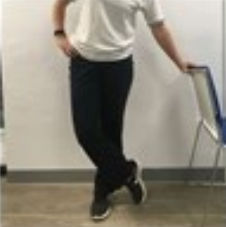
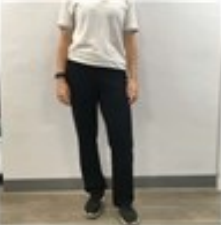
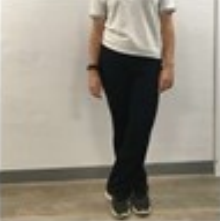
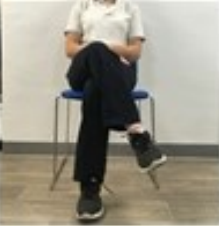
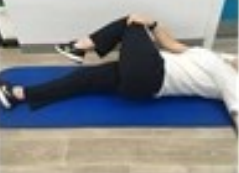
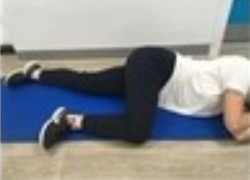
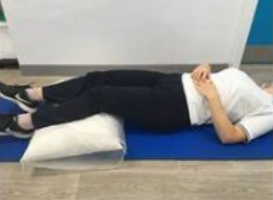
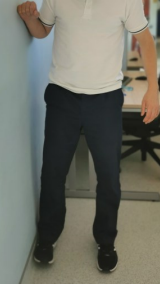
Avoid any position that allows your affected leg to cross the centre-line of your body. For example, do not sit with crossed-legs or stand with crossed ankles. If you prefer to sleep on your side, place a pillow between your knees.

GTPS exercises

Read below for advice and exercises to manage hip pain.This guidance has been produced by the Dynamic Health physiotherapy service. It offers simple measures to help you manage your hip problem safely. Often the right advice and exercises are all you need to improve the problem.

This information has been made available to your GP, who may ask you to try the advice and exercises prior to consulting a physiotherapist.

If your hip pain started suddenly after a recent significant injury, for example, a slip, trip or fall, and you are unable to weight-bear, or if you have a hot, swollen hip with a high temperature and fever, please seek urgent medical advice from A&E, minor injuries or NHS 111.

How much exercise should I do?

A senior couple on yoga mats outside in a park in a bent knee standing pose with arms outstretched.

Exercise every other day

cropped image of two people, one black and one while in shorts and t-shirts on an exercise bike pedalling. Close crop on their hands on handle bars and their legs moving.

Choose 3 or 4 exercises

Young asian man running on the spot wearing a t-shirt and shorts in their living room on a wooden floor.

Repeat the exercise

A young brunette white woman laying on a sofa wearing a striped long sleeve top and cream trousers. She listens to music on headphones and is resting.

Rest

Test1

Once an exercise is easy, progress it

How much pain is too much pain?

Read below for advice and exercises to manage hip pain.

Before exercising

A maximum pain level

If your pain increases

Exercises that target the strengthening of these muscles, together with avoiding stretches and provocative postures (in standing, lying or sitting) that place the tendons under compression have proven effective in improving symptoms within 8 to 10 weeks.
Need more help?

Consider self referring using the link below:

If you have a new injury or problem, please look at the self help information in our advice pages. We will often complete the same exercises and share information in clinic appointments. 

If you still need some more help you can self refer into our service. Please note that the NHS is currently experiencing longer than normal waits, for more information visit our waiting times page

Refer yourself to physiotherapy

Senior white woman in a white blazer sitting in front of a desk with a computer as a practitioner explains during a physiotherapy appointment

You must log in to save content

Click below to log in or create a new account

Login

You must log in to save content

Click below to log in or create a new account

Login